Why Your Business Needs a Search Engine and Website
Strategy for Growth
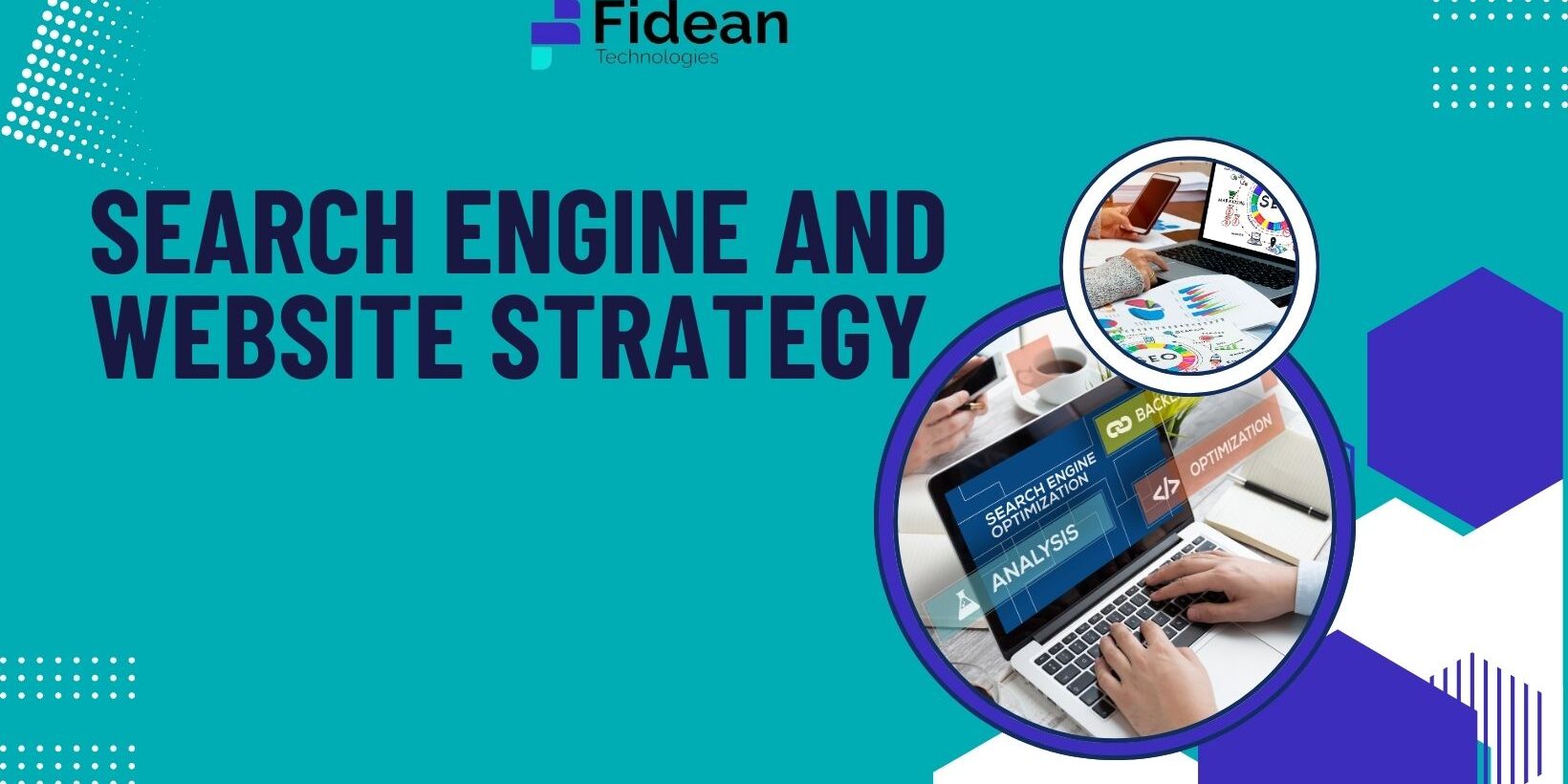
In today’s competitive digital landscape, having a strong online presence is more critical than ever. For businesses aiming to stay relevant, attract customers, and grow, a robust search engine and website strategy is indispensable. Let’s explore why your business needs a search engine and website strategy and how it can revolutionize your business growth.
1. The Role of Search Engines in Driving Website Traffic
Search engines, like Google, Bing, and Yahoo, act as digital gateways for users seeking information, products, or services. If your business isn’t leveraging these platforms effectively, you’re missing out on a massive pool of potential customers.
Search Engine Optimization (SEO) as a Game-Changer
SEO is the process of optimizing your website to rank higher on search engine results pages (SERPs). Here’s why it matters:
- Increased Visibility: Appearing on the first page of search results significantly boosts your website’s visibility. Studies show that 75% of users never scroll past the first page.
- Targeted Traffic: SEO focuses on attracting users actively searching for your products or services, ensuring a higher conversion potential.
- Cost-Effective Marketing: Compared to paid advertising, SEO provides long-term benefits with minimal ongoing costs.

The Importance of Keywords
Keywords are the backbone of SEO. Integrating relevant keywords like “search engine and website” throughout your content ensures search engines understand your site’s purpose, making it easier for potential customers to find you.
Local SEO for Small Businesses
For local businesses, optimizing for location-based searches is crucial. For example, including phrases like “best bakery in [your city]” can help you dominate local search results, driving foot traffic and online inquiries.
2. Building a User-Friendly Website: The Cornerstone of Digital Success
A well-optimized website isn’t just about aesthetics; it’s about functionality, speed, and user experience (UX). Search engines prioritize websites that offer seamless navigation and valuable content.
Mobile Optimization is Non-Negotiable
With over 60% of web traffic coming from mobile devices, having a mobile-friendly website is essential. A responsive design ensures that your site looks great and functions properly across all devices, which also positively impacts your SEO rankings.
Fast Loading Speeds Improve Retention
Studies show that 53% of users abandon a website if it takes more than three seconds to load. Optimizing your site’s loading speed through compressed images, minimized code, and reliable hosting can improve user retention and enhance your search engine ranking.
Content is King
High-quality, relevant content keeps users engaged and encourages them to spend more time on your site. This lowers bounce rates, a factor that search engines consider when ranking websites. Incorporate engaging blog posts, FAQs, and compelling calls-to-action (CTAs) to keep visitors hooked.
Secure Your Website
Search engines favor secure websites. Implementing HTTPS protocols not only protects your users but also improves your site’s credibility and search ranking.
3. Integrating Search Engine and Website Strategies for Business Growth
While SEO and website optimization are powerful individually, their true potential lies in integration. By aligning these strategies, your business can achieve sustainable growth.
Content Marketing and SEO Synergy
Creating content that aligns with your SEO strategy amplifies your website’s reach. Examples include:
- Blog Posts: Regularly publishing articles on industry topics, like “Why Your Business Needs a Search Engine and Website Strategy for Growth,” boosts visibility.
- Videos and Infographics: Visual content attracts backlinks and keeps users engaged.
- Landing Pages: Optimized landing pages tailored for specific campaigns drive conversions.
Analytics and Continuous Improvement
Monitoring your website’s performance through tools like Google Analytics is essential. Key metrics to track include:
- Traffic Sources: Understand where your visitors are coming from.
- Bounce Rate: Identify areas where users drop off and optimize those pages.
- Conversion Rate: Measure how effectively your site turns visitors into customers.
Social Media and SEO
Social media platforms amplify your website’s reach. Sharing blog posts, promotional content, and updates drives traffic to your site and indirectly boosts SEO by increasing engagement and brand awareness.
Adopting a Long-Term Vision
Search engine and website optimization isn’t a one-time effort. Algorithms evolve, user preferences change, and competitors adapt. Staying committed to refining your strategy ensures your business remains competitive in the digital realm.
A well-executed search engine and website strategy is the backbone of modern business growth. By prioritizing SEO, enhancing your website’s user experience, and aligning these efforts seamlessly, you position your business for sustained success. Whether you’re a startup or an established brand, investing in these strategies is a step toward securing a brighter, more profitable future. Embrace the digital age—because your customers already have.