The Ultimate Guide to Search Engine Optimization in Simple
Words
Search Engine Optimization (SEO) can feel intimidating, especially if you’re not familiar with technical jargon or marketing strategies. However, understanding and implementing SEO doesn’t have to be complex. The ultimate guide to search engine optimization simplifies the concept of breaking it down into digestible sections so you can improve your website’s visibility without confusion.
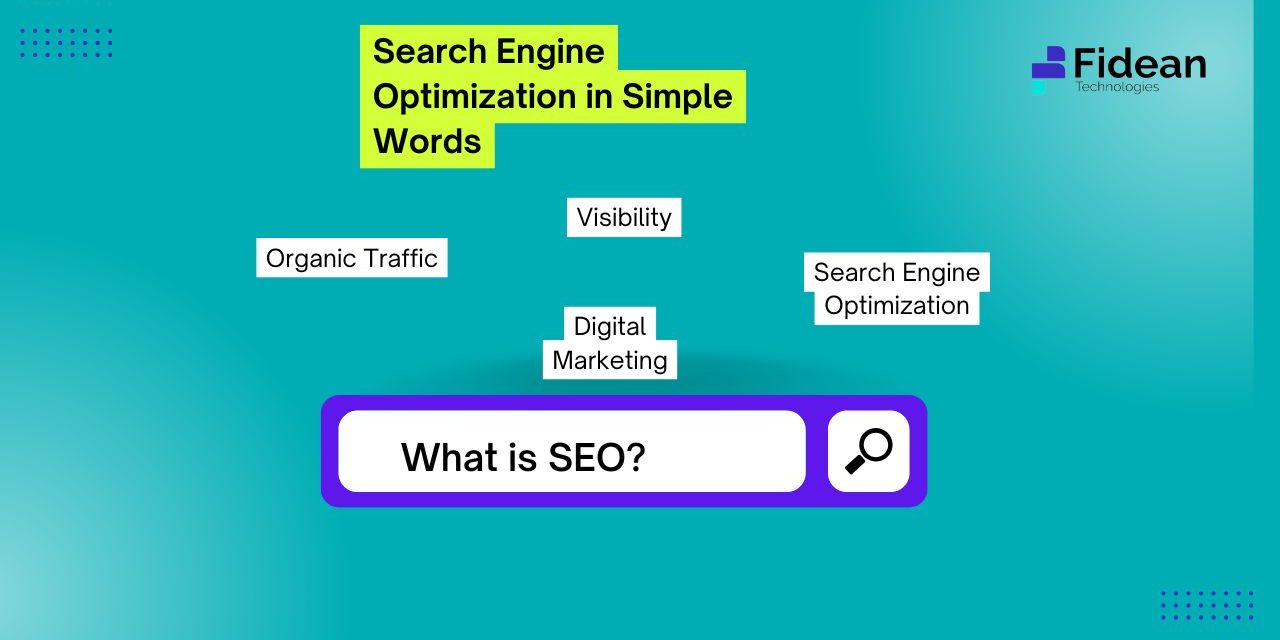
What is Search Engine Optimization (SEO) in Simple Words?
SEO refers to the practice of improving your website’s visibility on search engines like Google, Bing, and Yahoo. When someone searches for information, products, or services, search engines display a list of results. SEO helps your website rank higher in these results, making it easier for users to find you.
Think of search engines as librarians. When someone asks for a book (or types a query), the librarian quickly finds the most relevant options. SEO ensures your website is one of those top recommendations. It involves:
- Keywords: Words or phrases that match what users search for.
- Content: High-quality, valuable information on your site.
- Technical Optimizations: Ensuring your website runs smoothly.
By optimizing these elements, you increase your chances of attracting organic (unpaid) traffic to your website.
Why is SEO Important for Your Business?
Every day, millions of people use search engines to find answers, products, and services. Without proper SEO, your website might get lost in the vast sea of online content. Here’s why SEO matters:
1. Improved Visibility and Traffic
When your site ranks higher in search results, more people will see and click on it. For example, websites on the first page of Google’s search results receive over 90% of all traffic, while those on the second page get significantly less.
2. Cost-Effective Marketing
Unlike paid ads, SEO brings long-term results without ongoing expenses. Once your site is well-optimized, it continues to attract traffic organically, saving you money in the long run.
3. Builds Trust and Credibility
Users tend to trust websites that rank higher. Strong SEO signals like quality content, backlinks from reputable sites, and a secure website build credibility with both search engines and users.
Three Key Areas of SEO Explained in Simple Words
Effective SEO can be broken down into three primary areas: on-page, off-page, and technical optimization. Here’s a closer look at each.
1. On-Page SEO: Optimizing Your Website’s Content
On-page SEO focuses on optimizing the content and structure of your website. This includes:
a) Keywords
- What Are Keywords? Keywords are the terms people type into search engines. For example, if someone searches for “affordable shoes,” that’s a keyword.
- How to Use Keywords:
- Research popular keywords using tools like Google Keyword Planner or Ahrefs.
- Incorporate these keywords naturally into your headlines, subheadings, and body text.
- Avoid keyword stuffing (overusing keywords), as it can harm your rankings.
b) High-Quality Content
Content is the foundation of SEO. Search engines prioritize pages that provide value to users. To create great content:
- Write informative, engaging, and original articles.
- Answer common questions your audience might have.
- Use images, videos, and infographics to enhance understanding.
c) Meta Tags
Meta tags include the title tag and meta description. These elements tell search engines and users what your page is about.
- Title Tag: Keep it under 60 characters and include your primary keyword.
- Meta Description: Summarize your content in 150-160 characters, encouraging users to click.
2. Off-Page SEO: Building Your Online Reputation
Off-page SEO involves activities outside your website to improve its authority and relevance. The most critical aspect of off-page SEO is link building.
a) Backlinks
- What Are Backlinks? Backlinks are links from other websites to yours. Think of them as votes of confidence.
- How to Get Backlinks:
- Create shareable content, like how-to guides or case studies.
- Collaborate with influencers or industry experts to mention your site.
- Submit guest posts to reputable websites in your niche.
b) Social Signals
While not a direct ranking factor, social media activity can drive traffic and increase brand awareness. Share your content on platforms like Facebook, Instagram, or LinkedIn to reach a wider audience.
c) Online Reviews
Positive reviews on platforms like Google My Business or Yelp build trust and encourage more clicks to your site. Ask satisfied customers to leave reviews and address negative feedback professionally.
3. Technical SEO: Enhancing Website Performance
Technical SEO ensures that your website functions well and is easy for search engines to crawl and index. Key aspects include:
a) Site Speed
- A fast-loading website improves user experience and reduces bounce rates.
- Use tools like Google PageSpeed Insights to identify and fix speed issues.
b) Mobile Optimization
- More than 50% of web traffic comes from mobile devices. Ensure your website is mobile-friendly with a responsive design.
c) Secure Website (HTTPS)
- Websites with HTTPS are more trustworthy. Install an SSL certificate to secure your site.
d) XML Sitemap
- A sitemap helps search engines understand your site’s structure. Generate one using tools like Yoast SEO and submit it to Google Search Console.
Tips to Get Started with SEO
Here are actionable tips to help you implement SEO effectively:
- Start Small: Focus on optimizing a few pages first before scaling.
- Monitor Your Performance: Use tools like Google Analytics and Google Search Console to track traffic and rankings.
- Stay Updated: SEO trends and algorithms evolve frequently. Follow reputable SEO blogs like Moz or Neil Patel for the latest updates.
- Be Patient: SEO is a long-term strategy. Results may take weeks or months, but the effort is worth it.
Simplifying SEO for Success
Search engine optimization doesn’t have to be overwhelming. By focusing on the basics of on-page, off-page, and technical SEO, you can significantly improve your website’s visibility. Remember to create valuable content, build quality backlinks, and maintain a technically sound website. With consistent effort, your site will climb the rankings, driving more organic traffic and boosting your business’s success.